A working veterinary anesthesiologist’s ongoing conversation about pain, anesthesia, mobility medicine, and what it really takes to help animals feel better.
I’m Dr. James Gaynor. I’ve spent decades focused on veterinary pain management anesthesia, increasing mobility in animals, and fostering the human-animal bond and the more I learn, the more questions I have. This is where I share what I’m working on, talk with people who have knowledge and insight I may not possess, and try to make complicated medical topics make sense. For vets, techs, and the people who love their animals
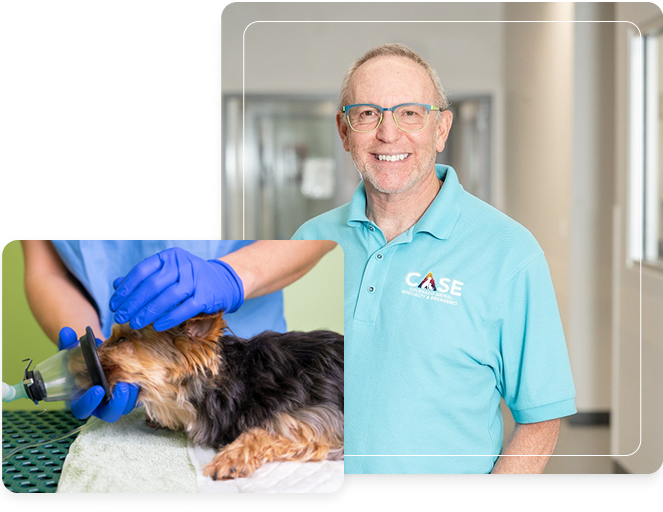
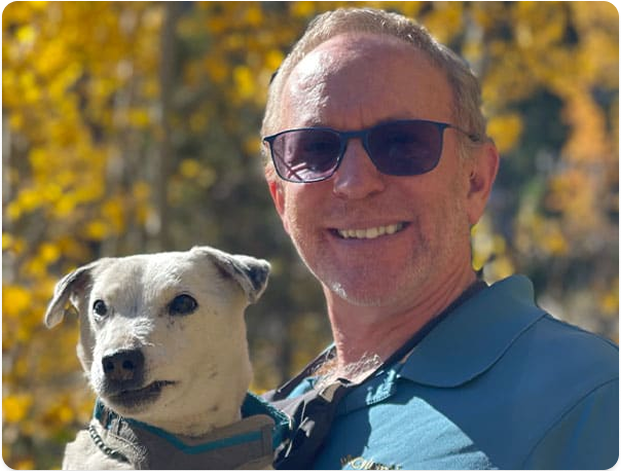
Dr. James S. Gaynor is a board-certified veterinary anesthesiologist (DVM, MS, DACVAA) who has spent his career working on one of the harder problems in animal medicine: how to recognize pain we can’t directly ask about, and how to manage it well. He practices advanced outpatient pain management at Buffalo Mountain Animal Hospital in Colorado, supports veterinary teams across the country through Black Dog Veterinary Anesthesia Services, and has helped develop products at Peak Therapeutics when the science pointed somewhere useful. But the title at the top of this section is the honest one. Pain medicine moves. New tools, new evidence, new specialties opening up every year. Ask Dr. Gaynor exists because the work isn’t finished — and because the people doing the most interesting parts of it often aren’t the ones with the loudest microphones
An in-depth conversation on how stem cell therapy and regenerative medicine are used to treat
A guide to proper nutrition for large and medium breed puppies, covering diet choices, healthy
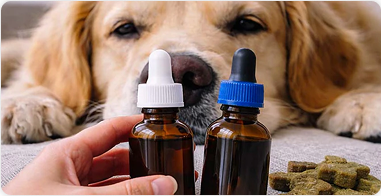
An expert guide to CBD for pets, covering its safety, effectiveness, dosage, drug interactions, and
Most are under 5 minutes. A few go longer when the topic earns it.
Veterinary medicine is too big for any one person to keep up with. So I sit down with specialists across the field — surgeons, rehab vets, behaviorists, dentists, nutrition researchers, the people working on stem cells and cannabinoids and the next generation of analgesics — and ask them to teach me what they know. These conversations are where I do most of my own learning. You’re welcome to listen in
Things I’m thinking about, working through, or want to clear up.
ASK DR. GAYNOR · CANINE WELLNESS By Dr. James S. Gaynor, DVM, MS, DACVAA ·

ASK DR. GAYNOR · CANINE WELLNESS By Dr. James S. Gaynor, DVM, MS, DACVAA ·

Pain is one of the most common reasons people seek medical care yet for a
Practical PDFs I’ve put together for vets, techs, and pet owners. Email required so I can let you know when they’re updated — that’s it.
* Email address required for download
24-page PDF
8-page PDF
16-page PDF
Limping is the obvious one — but it’s usually one of the later signs. Earlier clues are subtler: slowing down on walks, hesitating at stairs, choosing not to jump on the couch anymore, sleeping more, getting a little snappier than usual. We tend to call this “just getting old.” Sometimes it is. Often it isn’t.
For most dogs, properly formulated CBD appears to be well tolerated. “Properly formulated” is doing a lot of work in that sentence. The market is full of products with inconsistent dosing and unverified ingredients. If you’re going to use CBD, use one that’s been third-party tested, talk to your vet about dosing, and treat it as part of a broader plan — not a standalone fix.
It’s the idea that pain has multiple pathways, so the best treatment usually involves multiple approaches working together — different drug classes, plus things like rehab, weight management, environmental modifications, and sometimes nutraceuticals or cannabinoids. The point isn’t more medicine. It’s smarter combinations that often let us use less of any one thing.
Remote and in-person anesthesia and pain management support for veterinary practices that want a specialist on the case.
Nutraceuticals I helped develop because I needed them in practice and couldn’t find what I wanted on the market.
Where I see patients. Full-service general practice in Colorado, with an outpatient advanced pain management service for complex cases.
New videos, new interviews, the occasional written piece. Sent when there’s something worth sending — not on a schedule for the schedule’s sake.
No spam. Unsubscribe anytime. Your email stays with me.
Speaking, interview requests, professional collaboration, or a clinical question worth a longer answer — send a note and I’ll get back to you.
For speaking engagements, interview requests, or professional collaboration.